
I had never been interested in opera though I once watched a screening of Madame Butterfly years ago in London’s Trafalgar Square. So, when the talented Eves Sanders invited me to hear her sing, I thought, why not?
Eves and I met in a quaint new fashion boutique, a welcome escape from the crowded, often uninspiring stores in the city. Our conversation began with a shared appreciation for jewellery, an effortless and genuine exchange that led to an open invitation to her show. It wasn’t a calculated networking move that brought about this intimate opera experience, but rather an authentic moment of connection.
After listening to Eves’ stunning performance, we were served champagne accompanied by a dash of humour. “It’s vegan champagne,” prompting a witty reply, “Oh really? I usually have mine with steak in it.” The evening continued in this delightful, unforced manner, an atmosphere of easy conversation among women of different races and ages. We exchanged banter and discussed cultural interests, from fashion to museums to art, which led to a recommendation: Two Temple Place and its Lives Less Ordinary exhibition, a visual narrative of Britain’s working class.
The exhibition itself was compelling, offering a mosaic of Britain’s diverse working-class history, Asians, Blacks, Whites, Punks, Chavs, even strippers. Some images warmed the soul with their raw humanity, while others, paired with their documented context, left one momentarily stunned. Yet, together, they illustrated an expressive picture of life for those less financially abundant. Interestingly, only a few images focused on the actual work aspect of the working class.
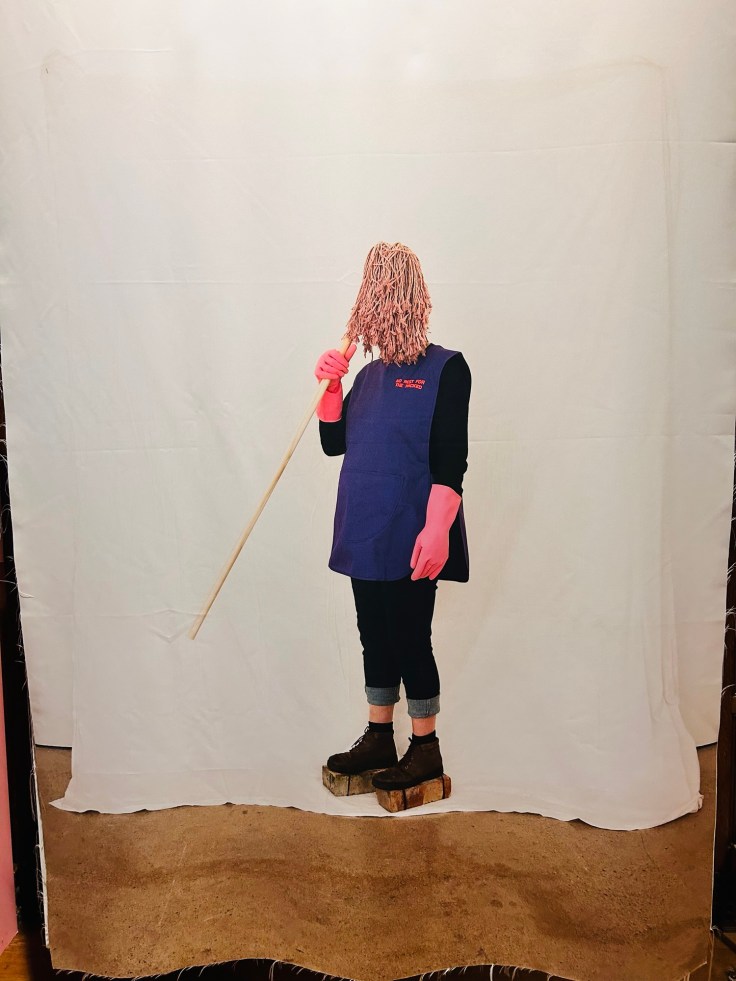
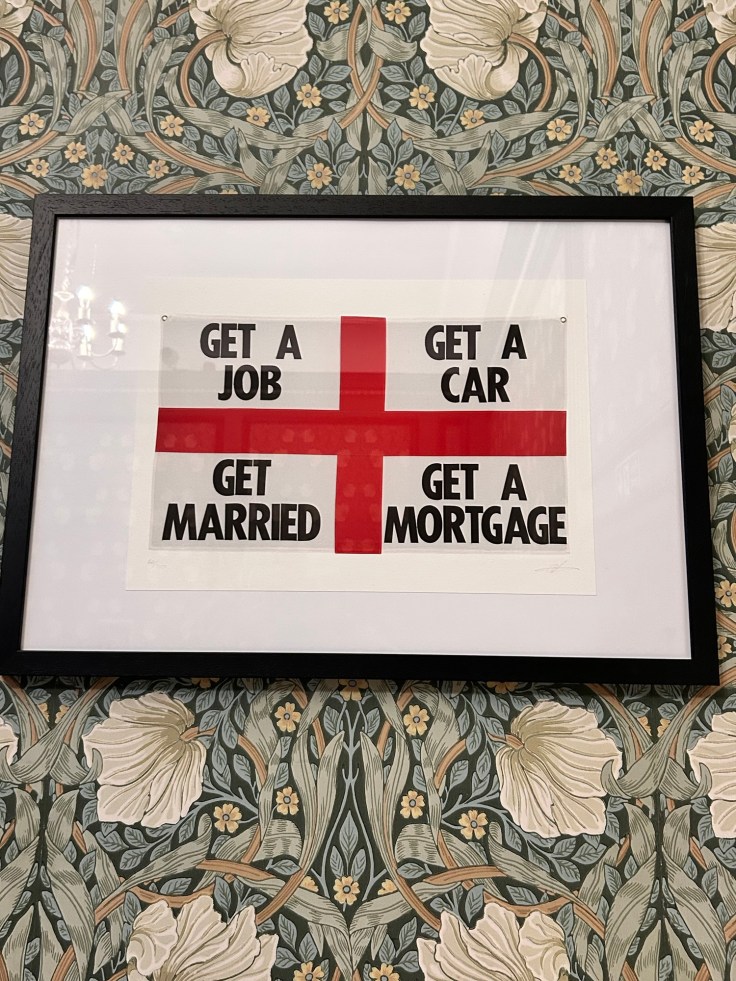

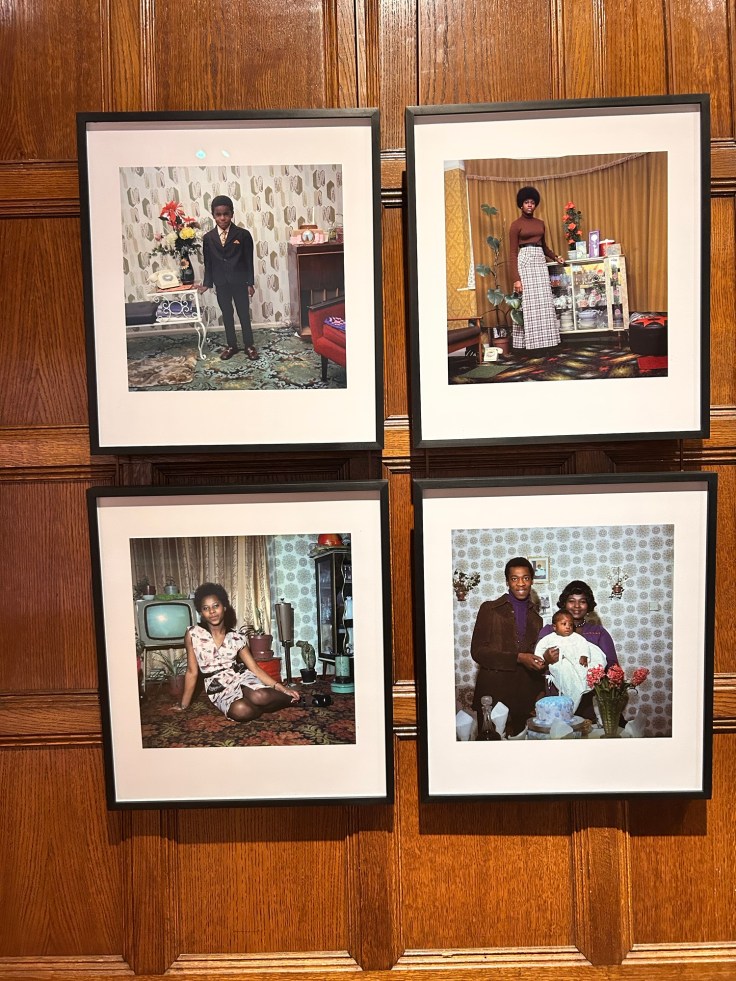
Yet, beyond the exhibition, it was the venue itself that truly captivated me. Two Temple Place is usually an exclusive, members-only space, occasionally reserved for corporate events except during exhibitions like this one. Naturally, I was intrigued. What made this Tudor-style structure so special? Built in the 1890s for William Waldorf Astor, an American-English magnate who abandoned America to settle in Britain, this supposed “office” of his was nothing short of impressive. Regardless of one’s knowledge of architecture, there’s something about historic buildings that commands admiration. They remind us of the ingenuity of past eras and, perhaps most underappreciated, the masterful craftsmanship of the working class. Those nameless artisans who, with their hands, shaped stone, metal, wood, and glass into legacies that continue to awe and inspire today.
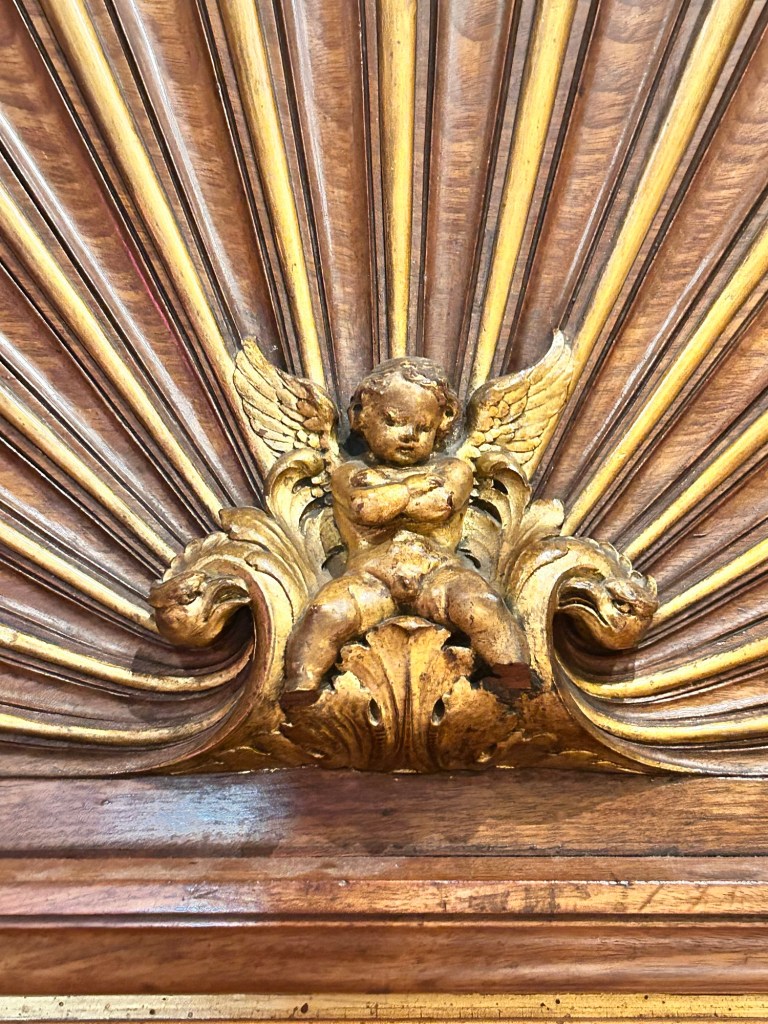
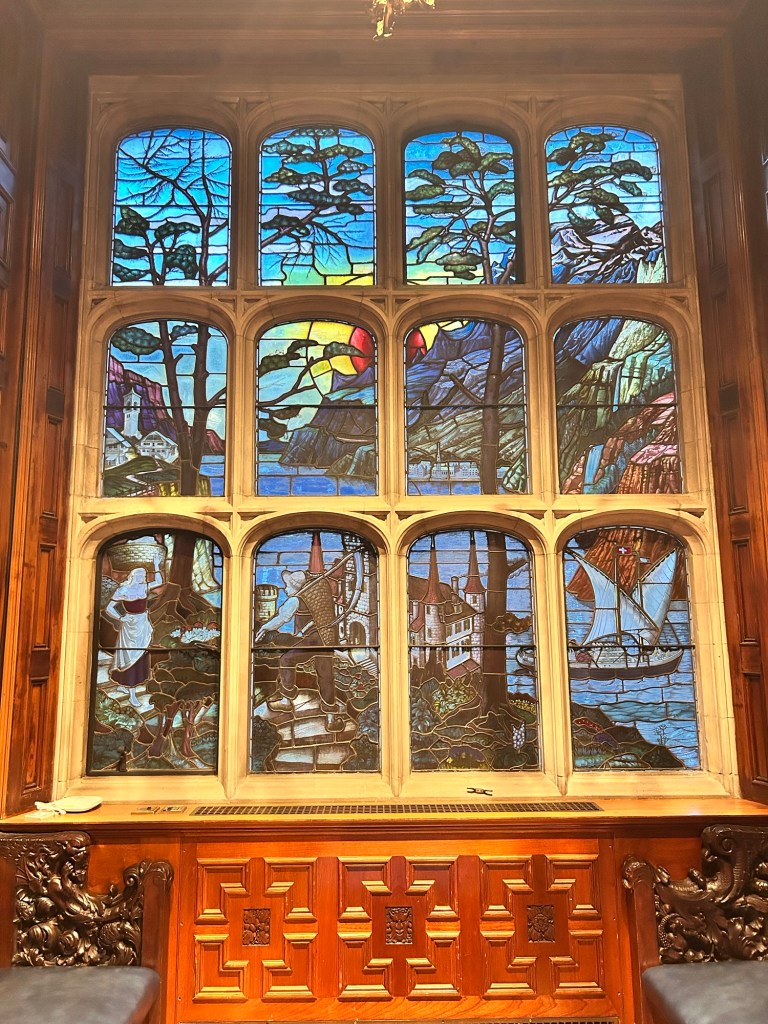
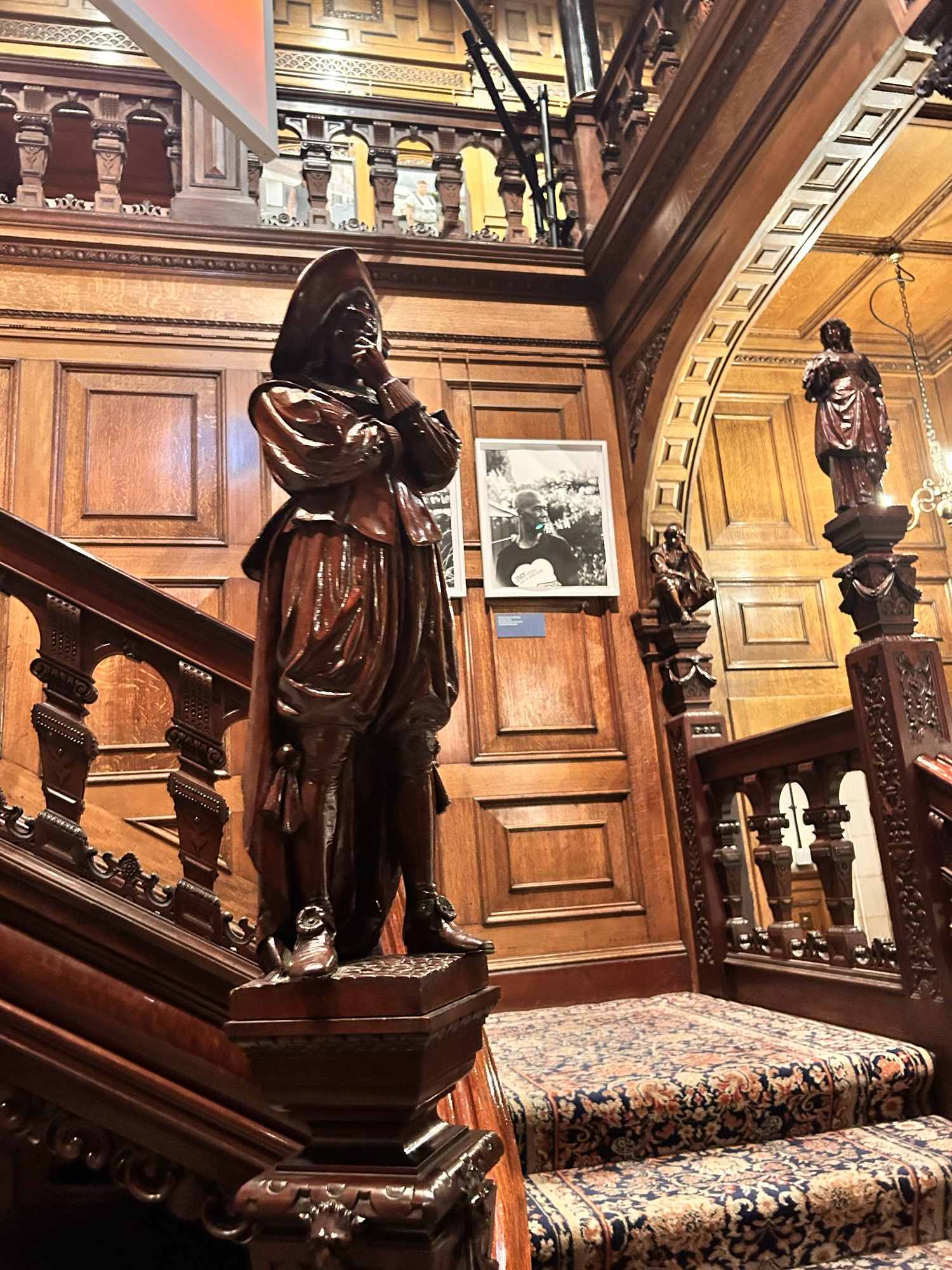
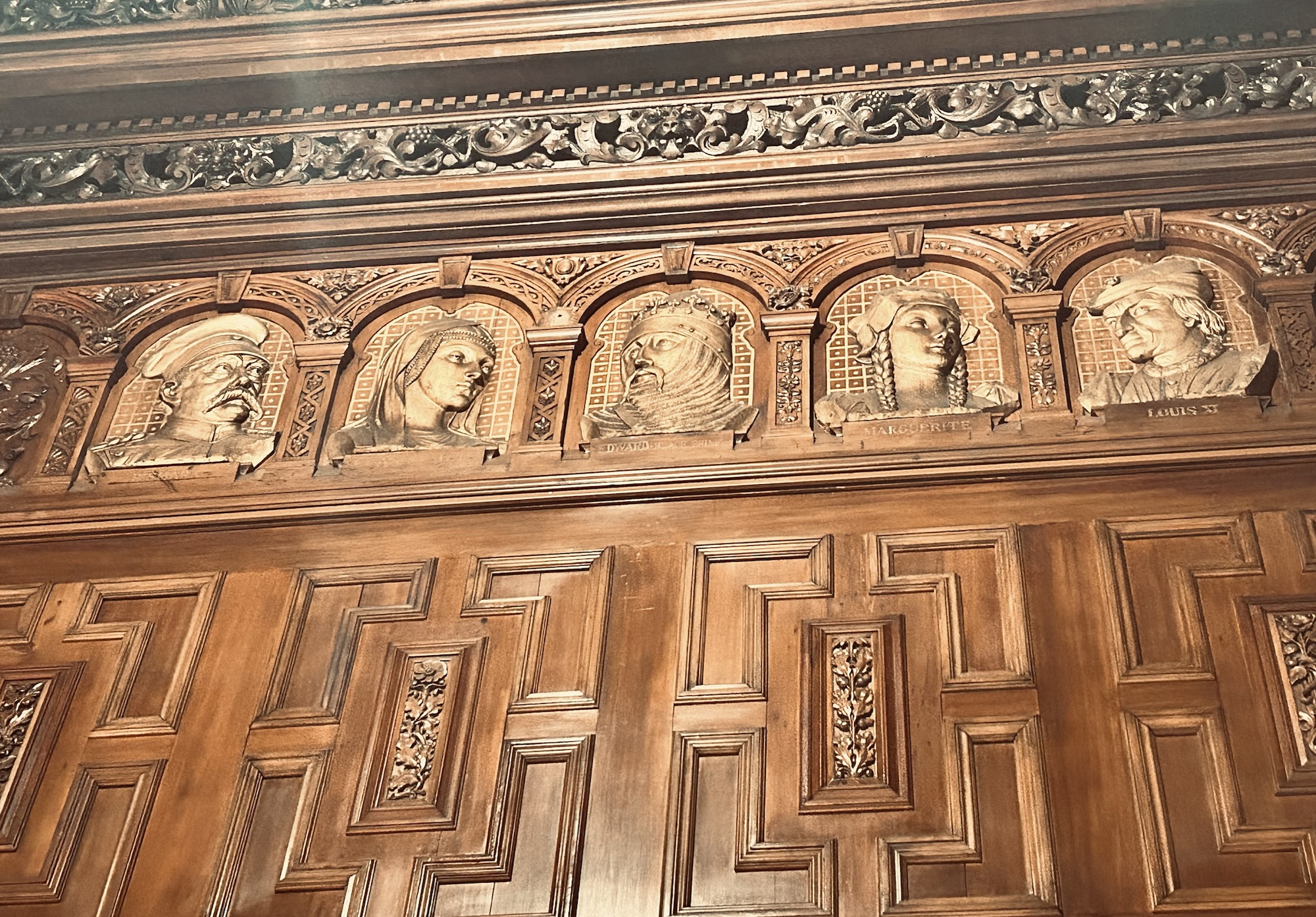
For example, Astor’s literary passion, embedded into the very artistry of the building. Who thinks to have characters from their favourite books carved into their office? I was charmed by the number I recognised, figures from The Three Musketeers, The Last of the Mohicans, and Shakespeare’s works, to name a few. Sharing this experience with my sister, also an avid reader, made it even more meaningful. She too felt the building was fascinating but it was the collection of books displayed that truly captured her interest, so much so she sat in the beautiful study and read for some minutes whilst I continued touring the halls.
As we celebrate International Women’s Day, I can’t help but reflect on how this experience embodies the essence of authenticity, connection, and discovery. From a spontaneous conversation in a boutique to an invitation to the opera, and then onto an exhibition at a historic venue, each moment was shaped by the beauty of genuine interactions. Lives Less Ordinary showcased the strength and resilience of the working class, while Two Temple Place stood as a testament to craftsmanship, literature, and history. But at the heart of it all were the women, each of us sharing, exchanging, and uplifting one another through culture, conversation, and presence. In a world where we are often encouraged to curate connections for personal gain, there is something truly powerful about engaging with sincerity. It leads not only to a life less ordinary, but to a life richly woven with meaning, inspiration, and unexpected joy.
 MsGoodliving
Leave a comment